
Reward systems are the invisible engines that drive player behavior. Every mount earned, boss defeated, and treasure chest opened contributes to a finely balanced cycle of anticipation and satisfaction. The game’s designers understand that motivation thrives not solely on difficulty, but on the timing and delivery of rewards. Through carefully spaced victories, escalating goals, and emotional reinforcement, the game keeps players returning not out of obligation but out of genuine desire to progress.
This article explores the subtle psychology behind reward timing and how it shapes player motivation across expansions.
The Power of Anticipation
Reward systems rely heavily on anticipation. Players push through challenges because the thrill of the reward feels as satisfying as the reward itself. By spacing achievements, crafting cooldowns, weekly objectives, and loot lockouts, designers maintain tension that fuels persistence. This balance ensures that progress never feels too slow or too easy — just engaging enough to keep players emotionally invested.
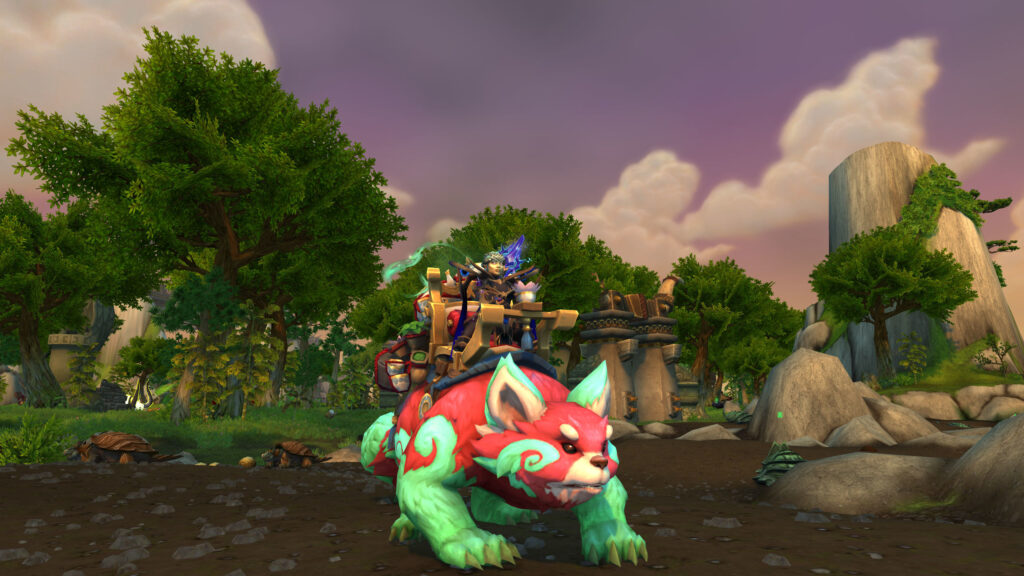
Anticipation is a powerful source of momentum.
Variable Rewards and Emotional Reinforcement
Many reward structures use variable timing: you never know exactly when the next upgrade or rare drop will appear. This style of reinforcement keeps players engaged longer, as unpredictability naturally stimulates curiosity and excitement. Even when rewards don’t appear, players feel close enough to success to keep trying. This loop is a cornerstone of long-term engagement, encouraging repeated activity without artificial pressure.
To highlight how variable rewards influence behavior, here is a basic comparison:
| Reward Type | Predictability | Emotional Effect |
|---|---|---|
| Weekly chest | Predictable | Steady, reliable satisfaction |
| Dungeon loot | Semi-random | Excitement with each drop |
| Rare mounts/pets | Low probability | High emotional spikes |
| Reputation rewards | Fully predictable | Long-term satisfaction |
The Emotional Rhythm of Weekly Cycles
Weekly resets create a structured rhythm that players grow accustomed to. Every Tuesday or Wednesday signals a fresh chance at rewards, prompting players to re-engage even if they took time off. This cyclical design maintains long-term stability, preventing burnout by spacing big victories while encouraging routine. Over time, the weekly reset becomes a ritual — an emotional anchor that keeps players connected to the world.
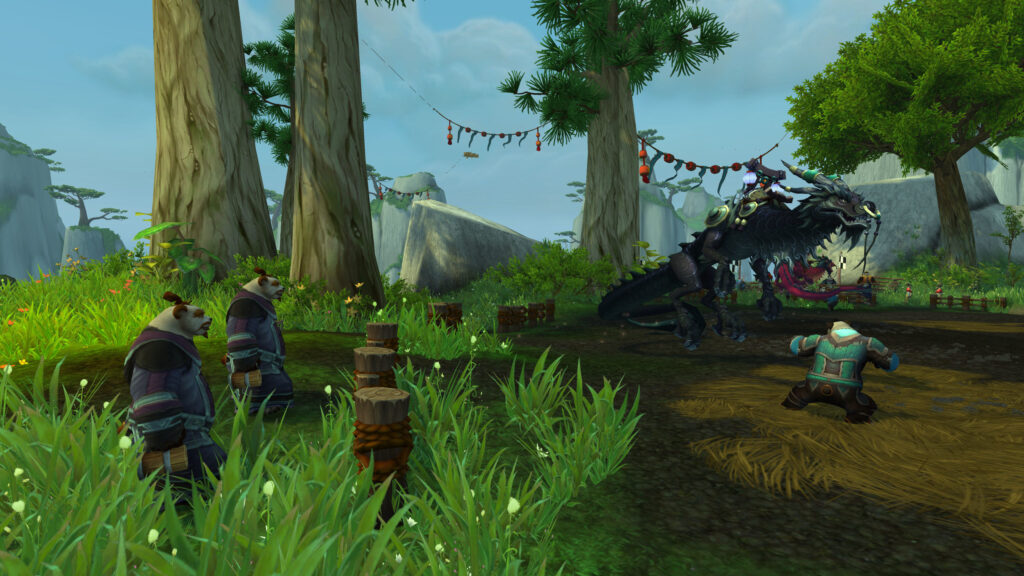
The rhythm of the week sustains momentum better than constant grind.
Small Rewards That Support Big Goals
Not every reward needs to be monumental. Minor upgrades, resource caches, cosmetic appearances, and achievement progress work together to create a sense of constant motion. These small victories prevent the feeling of stagnation and give players the sense that even short sessions matter. By stacking these small wins, designers create a foundation for long-term goals that feel approachable rather than overwhelming.
Small steps create emotional endurance.
How Reward Timing Shapes Player Motivation
The placement of rewards influences player behavior in subtle ways. A difficult boss that drops meaningful loot encourages persistence; a long questline with milestone rewards encourages exploration. By aligning reward timing with emotional peaks — moments of tension, victory, or narrative climax — designers reinforce engagement. Players aren’t driven by rewards alone, but by how rewards intersect with story, challenge, and personal accomplishment.
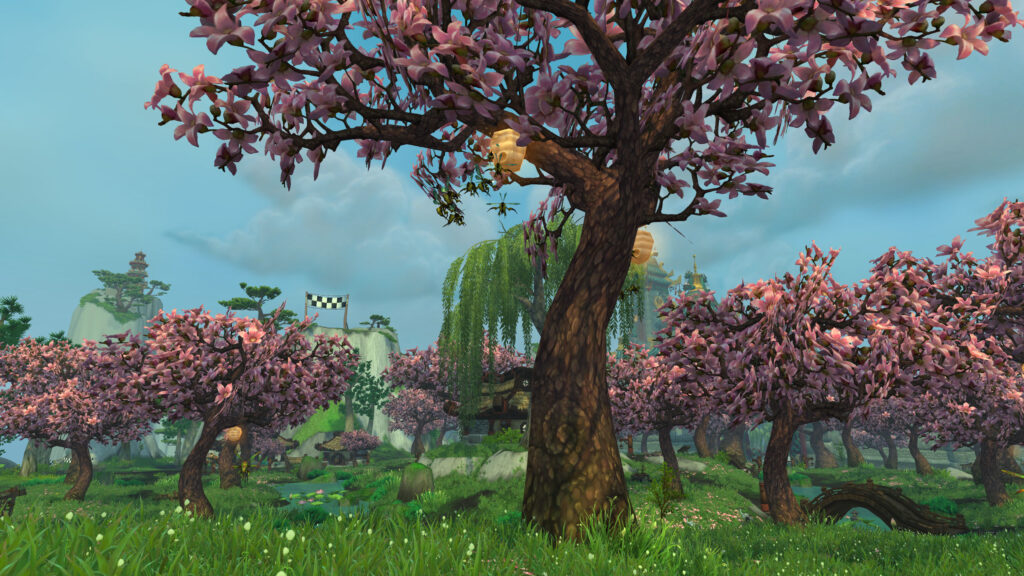
Motivation flourishes where timing and meaning intersect.
Conclusion
The subtle psychology behind reward timing drives player motivation through anticipation, variety, and emotional pacing. By blending predictable cycles with unpredictable rewards, the game creates a loop that feels satisfying, engaging, and deeply personal.
Each reward, whether small or monumental, is part of a larger structure that keeps players returning not out of obligation but out of genuine excitement. In the end, reward timing is not just a system — it is an emotional architecture that defines the player experience.
