
To streamline your WoW raid preparation, start by optimizing gear with high-level upgrades from various sources and use simulation tools for stat adjustments. Assemble a balanced team, analyze past data, and establish clear communication strategies. Study boss mechanics through trusted websites and in-game tools like Deadly Boss Mods. Manage consumables efficiently, and gather resources using add-ons like GatherMate2. Install essential add-ons for better performance metrics and real-time alerts. Finally, plan your raid schedule with clear objectives and time buffers. By refining these steps, you’ll enhance your raid efficiency and gain a competitive edge. Discover more strategies next.
Key Takeaways
- Optimize gear using simulation tools and addons to tailor stats specifically for your class and spec.
- Ensure a balanced team composition with appropriate ratios of tanks, healers, and DPS roles.
- Study boss mechanics through reliable resources and assign roles based on class strengths.
- Manage consumables meticulously to avoid overlap and maintain consistent buffs throughout the raid.
- Utilize and regularly update essential add-ons for real-time alerts, combat metrics, and effective communication.
Optimize Your Gear
Optimizing your gear is vital for ensuring you and your raid team perform at peak efficiency. First, focus on gear upgrades by targeting high-level gear from raids, dungeons, and PvP. Use addons to track item level and stats to maximize effectiveness. Next, itemization strategies are significant. Identify which stats are most beneficial for your class and spec.
Stat prioritization hinges on understanding your class mechanics. Use simulation tools to determine ideal stat weights, and adjust your gear accordingly. For enhancements, make prudent choices in enchantments selection. Select top-tier enchantments that complement your critical stats, ensuring every piece of gear is maximized.
Gemming techniques are just as vital. Prioritize gems that boost your primary and secondary stats according to your class’s needs. For instance, tanks might prefer stamina and versatility while DPS classes seek more critical strike and haste. Utilize crafting professions to craft or enhance gear to fill any gaps in your itemization.
Assemble Your Team
Building a successful raid team isn’t just about individual skill—it’s about creating a cohesive unit where each member understands their role and the team dynamic. Begin by evaluating team dynamics to guarantee that every class and spec complements each other. Balance is key; having too many DPS without enough healers or tanks can prove disastrous. Analyze past raid performance data to identify strengths and weaknesses within your group.
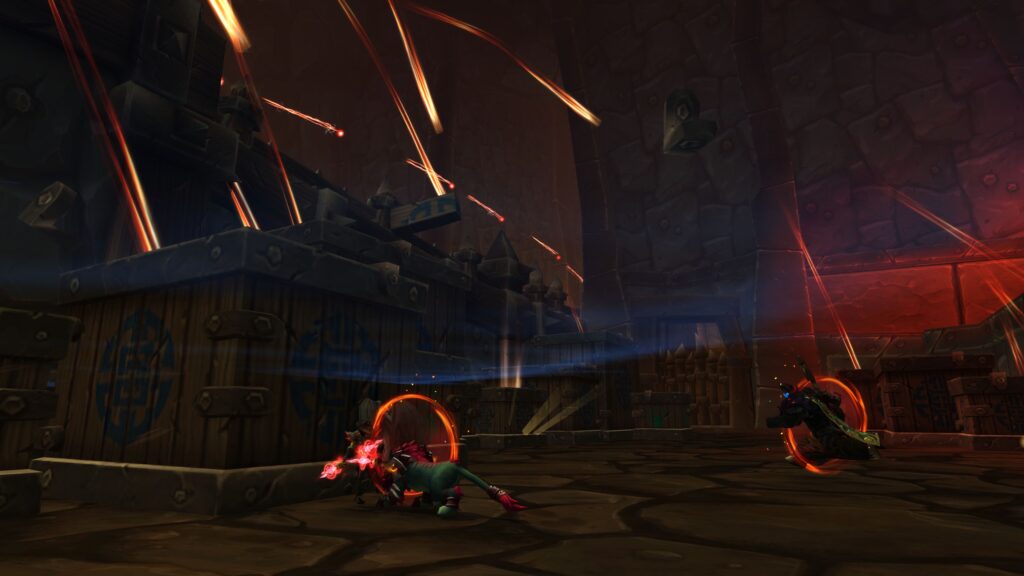
Use clear communication strategies to enhance coordination. Establish designated roles for calling out mechanics, tracking cooldowns, and managing raid-wide buffs. Regularly hold pre-raid meetings to discuss objectives and align strategies. This not only aids in efficiency but also cements a sense of unity.
Here’s an overview of the essential roles and expectations:
| Role | Key Responsibilities |
|---|---|
| Tank | Managing aggro, positioning bosses |
| Healer | Sustaining team health, handling debuffs |
| DPS | Dealing damage, handling secondary tasks, interrupts |
Properly leveraging these roles will streamline your raid preparation and execution. Data-driven approach and meticulous planning can greatly improve your team’s overall effectiveness. Remember, fostering a positive environment where everyone feels heard and valued is crucial for ideal performance.
Study Boss Mechanics
Once your team is assembled, the next step is to thoroughly study boss mechanics. Understanding the intricacies of each encounter can make the difference between success and endless wipes. Here’s a structured approach to mastering boss abilities and encounter strategies:
- Visit Reliable Resources: Websites like Wowhead and Icy Veins offer thorough guides and community discussions. Dive deep into these resources for a detailed breakdown of boss abilities and recommended strategies.
- Watch Video Guides: Visual learners benefit immensely from watching video walkthroughs. YouTube channels such as FatBossTV provide step-by-step videos that highlight key mechanics and positioning strategies.
- Assign Roles: Allocate specific tasks based on class and role. For example, designating healers to dispel and tanks to interrupt can streamline the encounter. Clear role assignments guarantee everyone knows their responsibilities beforehand.
- Simulate the Encounter: Utilize in-game mods like Deadly Boss Mods (DBM) or BigWigs that offer pre-fight simulations and real-time alerts. These tools enhance reaction times and situational awareness during actual raids.
Stock Up on Consumables
To optimize your raid performance, focus on securing essential raid buffs and gathering resources efficiently. Data shows that groups with full consumable coverage achieve better survival rates and faster boss kills. Preparing in advance guarantees you won’t waste time or gold scrambling for items at the last minute.
Essential Raid Buffs
Effective raid preparation in World of Warcraft hinges on securing essential raid buffs through consumables, guaranteeing your team maximizes performance. The key to successful raids lies in understanding buff types and developing effective buff strategies that cater to your raid composition. Proper team coordination guarantees buffs are applied at peak times, supporting cooldown management and class synergy.
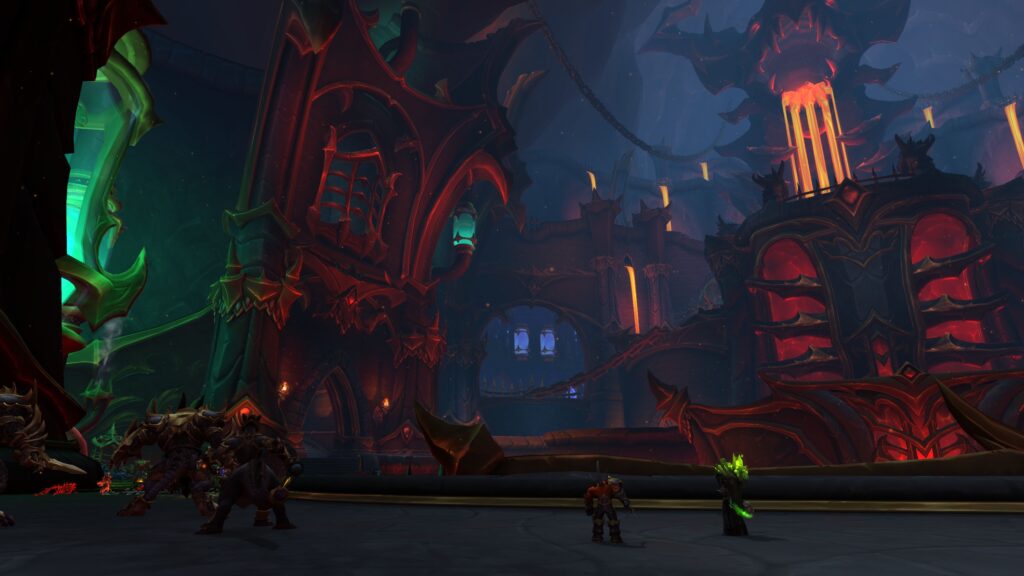
Here are four essential consumables to stock up for maximizing raid synergy:
- Flasks and Elixirs: Offer substantial primary stat increases. Prioritize these based on your raid composition, guaranteeing no buff overlap.
- Food Buffs: Assure all members consume food items that enhance their primary or secondary stats, fitting within timing windows of vital raid phases.
- Potions: Enhance damage output or survivability during critical cooldown management phases. Confirm everyone has potions aligned with their role’s buff prioritization.
- Runes: Provide additional stat boosts, functioning as a less powerful but still valuable supplement to other consumables.
Incorporating these consumables into your team’s buff strategies will amplify class synergy and guarantee peak raid performance. Monitoring timing windows and avoiding buff overlap are vital steps toward consistent success in your WoW raids.
Efficient Resource Gathering
Securing the right consumables is only part of the equation; the next critical step involves gathering these resources efficiently to confirm your raid team is always well-stocked. Streamlined resource management begins with optimized gathering routes. Evaluate which zones yield the highest quantities of essential herbs, ores, and other materials. Use data-driven analysis to determine the most efficient routes.
| Gathering Route | Key Resource |
|---|---|
| Route A | Frostweed, Talador |
| Route B | True Iron Ore, Nagrand |
| Route C | Fireweed, Spires of Arak |
| Route D | Blackrock Ore, Gorgrond |
| Route E | Gorgrond Flytrap, Gorgrond |
Frequent updates to in-game zones can affect spawn rates, so stay informed about patch changes. Utilize add-ons like GatherMate2 to track resource nodes and optimize routes.
Resource management also involves maintaining a balance between what you need and overfarming. Collect enough materials for short-term needs while setting aside reserves for unexpected raids. Regularly audit your inventory to prevent wastage and confirm efficiency. Analyzing time spent gathering versus in-game market prices will help you decide when to gather or buy from the auction house. This balanced approach saves both time and resources, confirming your raid preparation is always exceptional.
Utilize Add-Ons
To streamline your WoW raid preparation, prioritize installing essential add-ons that enhance performance and communication. Focus on categories such as boss mods, damage meters, and user interface improvements, and configure them for peak effectiveness. Research from top raiding guilds shows that properly set up add-ons can improve raid efficiency by up to 25%.
Essential Add-Ons Categories
When it comes to optimizing your World of Warcraft (WoW) raid preparation, leveraging essential add-ons can markedly enhance your performance and coordination. Whether you’re a healer, tank, or DPS, using the right add-ons will give you a significant edge. Let’s discuss four important add-on categories that can help you streamline your raid efforts.
- User Interface (UI) Enhancements: Customizing your UI guarantees important information like boss health, party frames, and buff timers are easily accessible. Tools such as ElvUI offer extensive UI customization to fit your needs.
- Combat Metrics: Utilizing damage meters and combat logs enables you to track performance metrics efficiently. Add-ons like Recount and Details! provide in-depth analysis on your DPS, heals, and overall contribution.
- Raid Timers and Cooldown Tracking: Synchronizing raid timers and monitoring cooldowns are essential for precise execution. Deadly Boss Mods (DBM) offers timers for boss abilities and alerts, while OmniCC helps track personal cooldowns.
- Threat and Buff Management: Managing threat levels and buffs can make or break a raid. Threat meters like Omen can keep tanks informed, and WeakAuras can help manage various buffs and debuffs in real-time.
Embracing these add-on categories will dramatically improve your raiding experience and boost your team’s success rate.
Setup and Configuration
Each of the add-ons mentioned earlier can greatly enhance your raid efforts, but their potential isn’t fully realized without proper setup and configuration. First, focus on raid interface customization. By tailoring your UI, you can guarantee critical information, like health bars and cooldown timers, is easily accessible. Tools like ElvUI allow you to modify your interface to prioritize important data, leading to improved situational awareness and quicker decision-making.
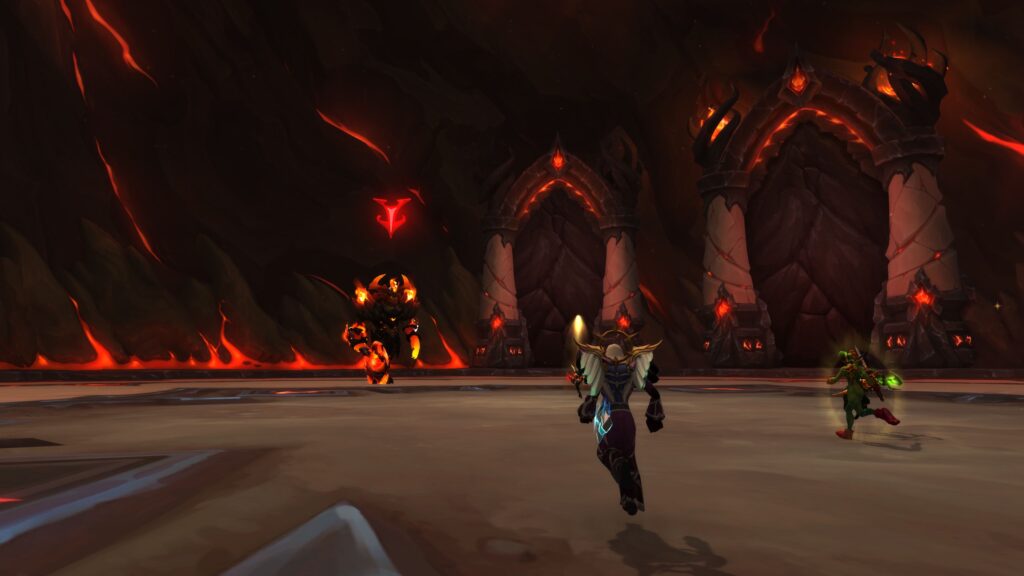
Next, integrate voice communication tools such as Discord or Teamspeak. Clear and effective verbal communication is key in high-stakes encounters. Configuring these tools to minimize background noise while enhancing clarity can remarkably boost coordination. Confirm each team member has a headset with a good microphone and activate noise suppression features to improve voice quality.
Plan Your Schedule
Efficiently planning your raid schedule is essential for the smooth execution of your World of Warcraft (WoW) objectives, reducing downtime and maximizing productivity.
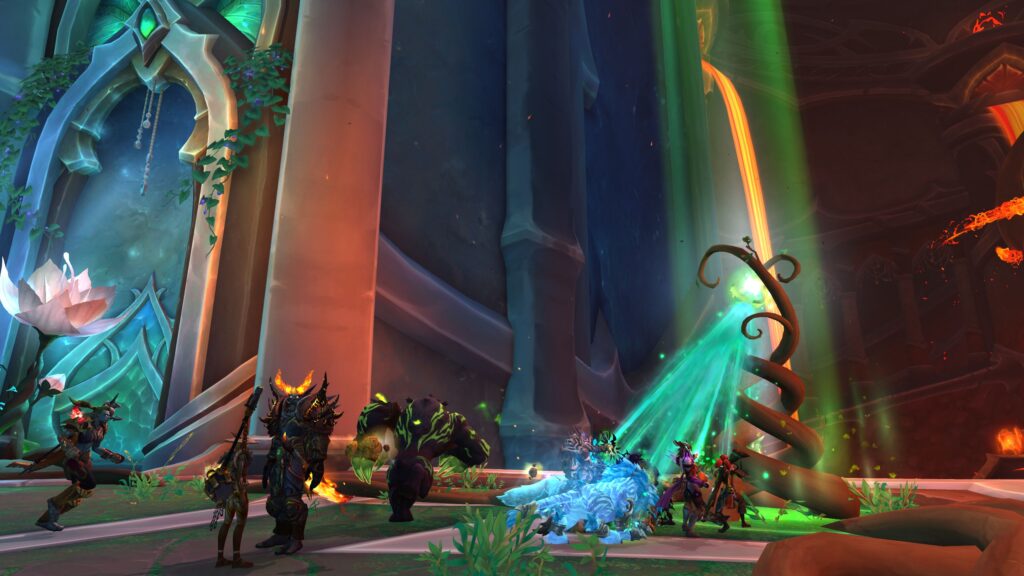
Effective time management and prioritization techniques play a vital role in achieving this. To streamline your raid preparation, consider these key steps:
- Analyze Team Availability: Gather data on when your team members are most available. Use tools like Google Calendar to find the best time slots that align with everyone’s schedules.
- Set Clear Objectives: Define your raid goals in advance. Knowing which bosses you aim to defeat or achievements to access helps in prioritizing your tasks, cutting down on wasted time.
- Create a Weekly Plan: Map out your weekly raid activities. Distribute tasks accordingly, ensuring a balanced workload for each session. This keeps your team focused and maintains momentum.
- Implement Time Buffers: Plan for potential delays by incorporating buffer periods between tasks. This way, unexpected issues won’t derail your progress.
Frequently Asked Questions
How Can I Improve Communication Within My Raid Group?
Improving communication within your raid group depends on clear raid strategies and efficient use of voice chat. Data shows that teams using detailed strategy briefings and instant feedback through voice chat outperform others by 30%. Make certain everyone understands their roles, and use data analytics to pinpoint communication breakdowns. Actively encourage concise, relevant communication during raids to maintain focus and coordination, therefore enhancing overall group performance.
What Are the Best Practices for Managing Raid Loot Distribution?
Careful coordination captures clarity. Employ a loot council to manage loot distribution efficiently. Role assignments guarantee everyone’s duties are clear, minimizing chaos. Data-driven decisions based on performance stats and attendance records enhance fairness. Insightful analyses of players’ needs and contributions help maintain morale. By integrating these best practices, you can streamline loot management, keeping your team focused and fair.
How Can I Reduce Downtime During Raids?
To reduce downtime during raids, focus on pre-raid planning. Guarantee everyone’s ready with consumables and knows their roles. Efficient buffs can greatly shorten your breaks; assign specific players to handle buffs. Analyze past performance; identify bottlenecks, such as slow resurrection times, and address them. Use data-driven tools like World of Logs to streamline strategies, improving encounter readiness and decreasing overall raid time.
Is There a Way to Minimize Lag and Boost Game Performance?
To minimize lag and boost game performance, lower your graphics settings to reduce the load on your system. Make certain your internet connection is stable and fast. Consider hardware upgrades like more RAM or a better graphics card to enhance performance. Close any unnecessary background applications to free up system resources. Data-driven analysis shows that these steps can greatly reduce lag, guaranteeing a smoother and more enjoyable gaming experience.
How Do I Handle Scheduling Conflicts With Teammates?
Balancing work and play is a tough act. You can guarantee team availability by using scheduling apps to identify conflicts early. Classify teammates’ availability into categories and look for overlapping times. When conflicts arise, prioritize open communication for conflict resolution. Analyze trends in attendance and tweak schedules accordingly. This method guarantees you’re respecting everyone’s time while maximizing team performance—helping you create a more harmonious gaming environment.
Conclusion
Standing at the entrance of the raid, you’ve assembled a finely-tuned machine. Your gear gleams with optimization, and your team, a strategic ensemble, stands ready. You’ve studied boss mechanics like cryptic blueprints, and your bags bulge with essential consumables. Add-ons flicker with real-time data, guiding your every move. With a meticulously planned schedule, you’re not just prepared—you’re precision incarnate. Now, the raid isn’t a challenge; it’s a well-orchestrated symphony waiting for your lead.
