
Building a long-term raid strategy in World of Warcraft requires thorough planning and vision. Start by assembling a balanced team of tanks, healers, and DPS, and foster synergy through effective communication. Rotate roles to develop versatility and prevent burnout. Focus on gear optimization and resource management, ensuring everyone has quality gear and consumables. Stay informed on patch changes and adapt your strategies accordingly. Set clear goals and break them into achievable milestones, using performance metrics to track progress. Regular strategy meetings will keep your team aligned and motivated. Ready to turn your raid dreams into reality?
Key Takeaways
- Establish clear long-term raid goals and break them into achievable, progressive milestones.
- Maintain a balanced mix of tanks, healers, and DPS for effective raid performance.
- Stay updated on patch changes to adapt strategies and roles accordingly.
- Regularly assess and enhance gear sets, including enchantments and consumables.
- Foster constant communication and teamwork through frequent strategy meetings and performance reviews.
Assembling the Perfect Team
To succeed in a World of Warcraft raid, assembling the perfect team is essential and multifaceted. First, nail down your team composition; guarantee you’ve got a balanced mix of tanks, healers, and DPS. Role diversity is key. Without it, you’ll hit a wall quickly. But it’s more than roles; player synergy matters. Choose teammates who amplify each other’s strengths. When individuals mesh well, the whole team benefits.
Effective communication strategies can make or break your raid. Encourage open dialogue using voice chat or in-game communication tools. Clear, concise instructions enhance coordination, mitigating confusion during intense moments. Also, skill matching is critical. Assign roles based on each player’s strengths and weaknesses to maximize efficiency.
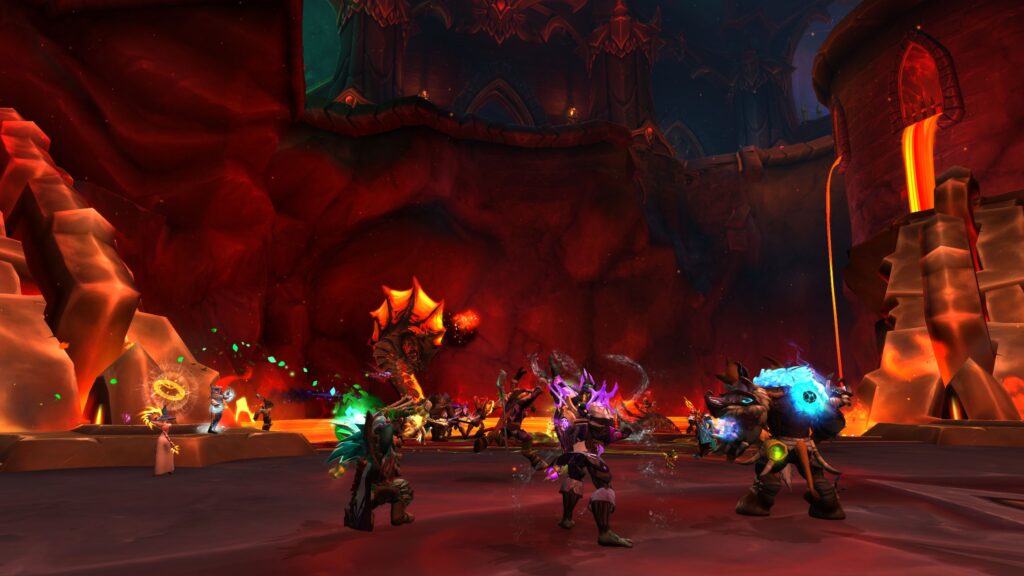
Consider personality dynamics when forming your group. A cohesive, motivated team is often more successful than a group of high-skilled solo players. It’s essential everyone gels well together. Team morale impacts overall performance, keeping everyone focused and driven.
Ultimately, the perfect team blends skill, communication, and mutual respect. By carefully considering each element, you’re laying the groundwork for a successful raid, one where every member can shine. Go forth, strategize, and conquer!
Rotating Roles and Responsibilities
After assembling a balanced team, rotating roles and responsibilities is essential for maintaining engagement and leveraging strengths. To foster role versatility and responsibility sharing, actively manage each player’s duties. By doing so, you enhance team synergy and support skill development across the board. Trust building and conflict resolution naturally follow when team members understand multiple aspects of the raid.
| Role | Player 1 | Player 2 | Player 3 | Player 4 |
|---|---|---|---|---|
| Tanking | X | |||
| Healing | X | |||
| DPS (Melee) | X | |||
| DPS (Ranged) | X |
Engage in regular communication strategies to assess comfort levels and areas for growth. Skill development occurs when each member steps into various roles, preparing them for unexpected challenges. This also prevents burnout by varying responsibilities, ensuring no player feels pigeonholed or overburdened.
Responsibility sharing isn’t just about switching roles occasionally; it’s about ensuring everyone has the training and confidence to perform different tasks. This practice boosts overall team synergy, as flexible members can adapt swiftly during pivotal moments. Trust builds as players witness each other’s adaptability, leading to effective conflict resolution. Ultimately, rotating roles and responsibilities strengthens your team, making raids smoother and more enjoyable.
Gear and Resource Management
Effective gear and resource management is often the backbone of a successful World of Warcraft raid. You need to guarantee your team’s gear is optimized and resources are allocated wisely to maximize performance. Start by having a clear gear optimization plan for each role. Regularly review your raid members’ gear sets, focusing on enhancements that boost their primary stats. Don’t underestimate the importance of enchantments, gems, and consumables; they can be game-changers.
Resource allocation involves more than just gear; it’s about guaranteeing your team has what it needs when it needs it. Stockpile essential consumables like potions, flasks, and food buffs. Encourage your team to gather or craft these items in advance. Create a schedule for farming materials to avoid last-minute scrambles.
Coordinate with your guild’s crafting specialists for tailored gear improvements. Delegate tasks for efficient use of in-game resources, like distributing loot fairly and maintaining a balance between offensive and defensive capabilities.
Adapting to Patch Changes
Ensuring your team’s gear and resources are well-managed sets a solid foundation, but true raid success demands the ability to adapt swiftly to patch changes. Patch awareness is essential; staying informed about the latest updates can mean the difference between victory and defeat. Start by regularly checking official patch notes and community forums. Highlight key changes that impact your raid strategy, such as class balance adjustments, new raid mechanics, or gear tweaks.
Next, instill strategy flexibility within your team. Encourage everyone to be adaptable in their roles and tactics. Host quick strategy meetings to discuss significant changes following a patch release. For example, if a specific boss encounters adjustments, brainstorm alternate tactics or modify your existing approach.
You should also reassess your raid composition. Some patches may buff or nerf certain classes, necessitating role changes within the team. It’s beneficial to have members proficient in multiple classes or specs to enable this fluidity.
Long-Term Goal Setting
When it comes to long-term goal setting, laying out a clear vision for your raid team is essential for sustained success and motivation. Start by defining the ultimate objectives you aim to achieve, such as clearing the latest raid tier or reaching a high ranking on your server. Break these goals into more manageable raid milestones. For example, aim to defeat specific bosses within a given timeframe. This approach keeps the team focused and provides frequent senses of accomplishment.
Progress tracking is critical. Regularly review your team’s performance, noting where improvements are needed and celebrating victories. Use raid logs and performance metrics to analyze encounters thoroughly, adjusting strategies accordingly. Sharing these insights with the team fosters a culture of continuous improvement.
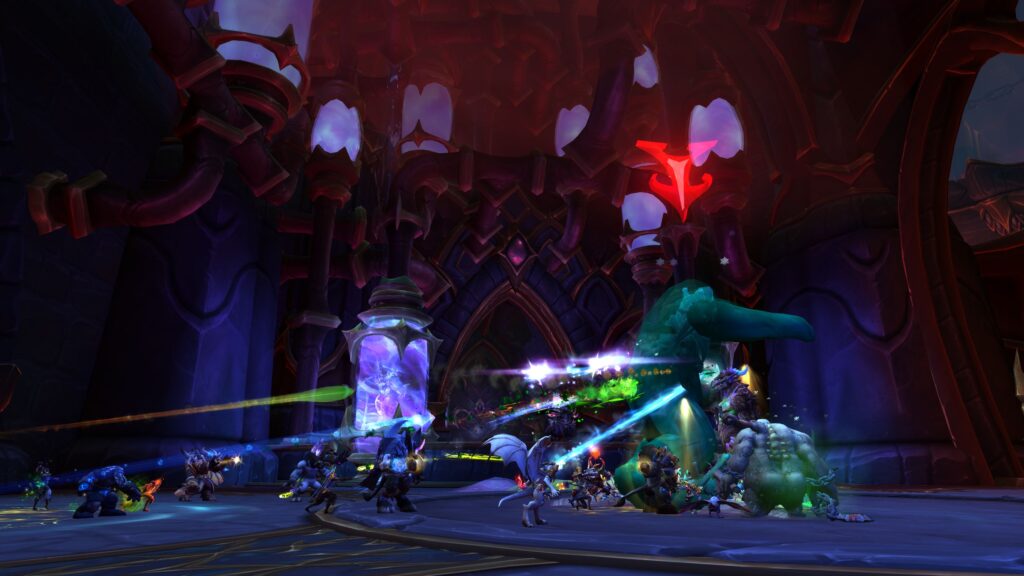
Communication is the backbone of successful long-term planning. Hold consistent meetings to realign on goals, discuss strategies, and address any concerns. Allowing team members to voice their thoughts can cultivate a sense of ownership and commitment.
Ultimately, a strategic, detail-oriented plan combined with meticulous progress tracking will keep your raid team motivated and on track. Remember, every small victory paves the way toward achieving those ambitious, long-term goals.
Frequently Asked Questions
How Do We Balance Raid Sessions With Players’ Real-Life Commitments?
Balancing raid sessions with players’ real-life commitments requires flexible scheduling. Conduct player surveys to understand everyone’s availability. Create a calendar that rotates raid times to accommodate varied schedules. Prioritize communication to guarantee transparency and adaptability. By valuing players’ time and input, you’ll build a cohesive, motivated team that’s ready for strategic success. Stick to these principles for a harmonious and effective group dynamic.
What Are the Most Effective Communication Tools for Raid Planning?
You coincidentally check your phone to find everyone’s active in Discord channels. Voice chat‘s buzzing with ideas, and planning documents are rolling out. You can’t skip the schedule reminders that prompt you about upcoming strategy sessions. Feedback loops give you insights on what’s working. Combine all these and you’ll find the most effective communication tools to keep your raid team coordinated and ready to conquer anything.
How Can We Maintain Motivation During Long Raid Progressions?
To maintain motivation during long raid progressions, focus on minimizing raid fatigue by rotating roles, ensuring breaks, and celebrating small victories. Strengthen team dynamics with open communication and fun, off-raid activities. Encourage a positive mindset with inspirational messages and recognize individual contributions. By strategically managing both morale and fatigue, you’ll keep everyone engaged and motivated for the toughest battles ahead.
What Strategies Ensure Inclusivity and Fair Play in Raid Groups?
To guarantee inclusivity and fair play in raid groups, emphasize diverse roles, making certain all team members can contribute. Distribute equitable rewards based on contributions to maintain motivation. Practice inclusive leadership by actively listening and addressing everyone’s needs, fostering a positive environment. Finally, regularly assess and adjust team dynamics to keep everyone engaged and satisfied, promoting a collaborative atmosphere where everyone’s efforts are valued.
How Often Should We Review and Update Our Raid Strategy?
Don’t let your raid strategy gather dust! You should hold strategy adaptation sessions at least once a week. These raid strategy reviews guarantee everyone’s on the same page and adapting quickly to new challenges. Regular updates keep the plan fresh and effective, fostering a dynamic team environment. By consistently refining your approach, you’ll not only optimize performance but also boost team morale and cohesion. Keep pushing forward with these regular tune-ups!
Conclusion
To sum up, creating a long-term raid strategy in World of Warcraft isn’t just about the immediate wins—it’s about building a resilient and adaptable team. You might think it’s too much work, but consistency will pay off with fewer wipe-outs and consistent progress. By assembling the right team, rotating roles, managing gear, and staying updated with patches, you’re setting yourself up for legendary success. Keep your eye on the prize, and your hard work will pay off.
