
Scholomance, a pivotal dungeon in the Vanilla World of Warcraft, serves as a haunting testament to the dark arts of necromancy. Under the leadership of Jandice Barov and Ras Frostwhisper, this institution became a breeding ground for the undead and a hub of sinister magic. Understanding the mechanics and lore behind this school reveals the intricacies of its design and the motivations of its key figures. This guide will explore the foundational elements of Scholomance, the strategies employed by its leaders, and the implications for players seeking to navigate its treacherous halls.
What Are the Key Features of Scholomance in Vanilla WoW?
Scholomance is characterized by its dark atmosphere, unique mechanics, and a variety of undead enemies, making it a challenging yet rewarding dungeon for players.
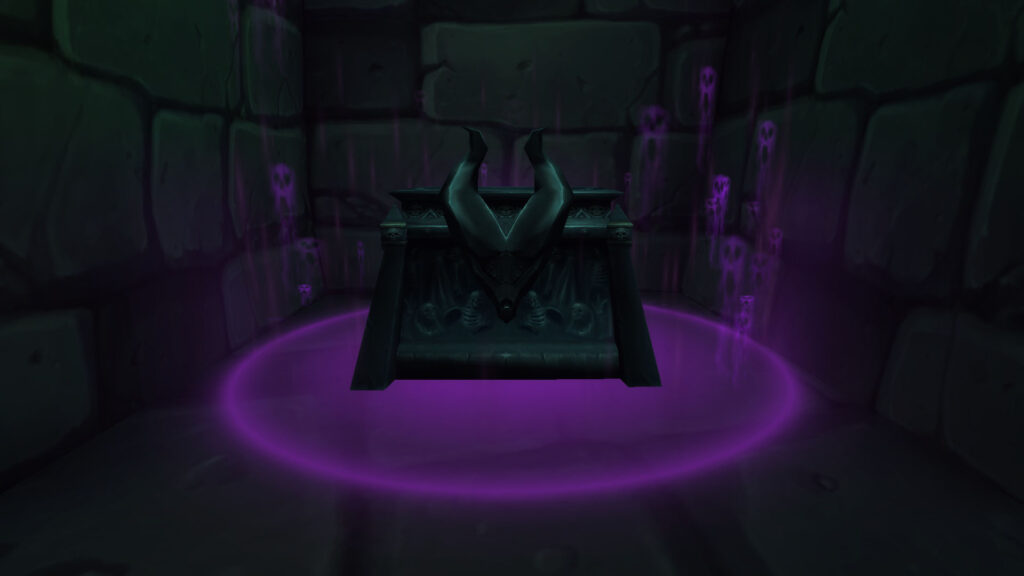
The dungeon is designed with a gothic aesthetic, featuring eerie lighting, haunting music, and a layout that emphasizes exploration and combat. Players encounter a range of necromantic foes, from skeletal warriors to powerful spellcasters, each requiring different strategies to defeat. The presence of Jandice Barov and Ras Frostwhisper adds depth to the narrative, as they embody the school’s dark teachings. Players must also navigate various traps and environmental hazards that enhance the challenge. The intricate design encourages teamwork and strategic planning, making it a memorable experience for adventurers.
- Explore the dungeon’s layout to familiarize yourself with enemy placements and potential ambush points.
- Utilize crowd control abilities to manage groups of undead effectively.
- Coordinate with your team to optimize damage output against bosses.
- Collect key items and quest objectives to unlock additional lore and rewards.
How Did Jandice Barov and Ras Frostwhisper Shape Scholomance’s Necromantic Legacy?
Jandice Barov and Ras Frostwhisper played crucial roles in establishing Scholomance as a center for necromantic studies, each contributing unique skills and philosophies.
Jandice Barov, a master of illusion and manipulation, utilized her talents to create a deceptive environment within Scholomance. Her abilities allowed her to control the minds of her enemies, turning them into unwitting pawns in her schemes. Conversely, Ras Frostwhisper, a powerful necromancer, focused on raising the dead and commanding them in battle. His understanding of the dark arts enabled him to create formidable undead minions, enhancing the school’s reputation as a breeding ground for necromancy. Together, they established a curriculum that emphasized the importance of both illusion and raw power, attracting aspiring necromancers from across Azeroth.
Their combined efforts resulted in a unique blend of magical disciplines, allowing students to explore various aspects of necromancy. This duality is reflected in the dungeon’s design, where players encounter both illusion-based challenges and direct confrontations with undead foes. The legacy of Barov and Frostwhisper continues to influence the lore of Scholomance, as their teachings resonate with players who delve into the depths of this dark institution.
What Are the Practical Strategies for Navigating Scholomance?
To successfully navigate Scholomance, players should employ strategic planning, effective communication, and an understanding of enemy mechanics.
Preparation is key when entering Scholomance. Players should ensure they have the appropriate gear, consumables, and a well-rounded party composition. Understanding the strengths and weaknesses of each enemy type is crucial; for example, casters may require interrupting spells, while melee fighters should focus on avoiding area-of-effect attacks. Communication among team members enhances coordination, allowing for effective crowd control and damage distribution. Additionally, players should be aware of the environmental hazards, such as traps and patrolling enemies, which can quickly turn the tide of battle.
What Are the Notable Enemies and Bosses in Scholomance?
Scholomance features a variety of notable enemies and bosses, each with unique abilities and mechanics that challenge players.
The following table summarizes key enemies and their characteristics, providing insights into their abilities and strategies for defeating them. Understanding these foes is essential for players aiming to conquer the dungeon.
| Enemy/Boss | Type | Key Abilities | Strategy |
|---|---|---|---|
| Jandice Barov | Boss | Illusions, Mind Control | Focus on dispelling illusions and interrupting her spells. |
| Ras Frostwhisper | Boss | Necromancy, Frost Spells | Use fire-based attacks to counter his frost abilities. |
| Skeletal Mages | Minion | Spellcasting, AoE Damage | Interrupt their spells and focus on crowd control. |
How Do Environmental Factors Affect Gameplay in Scholomance?
Environmental factors in Scholomance, such as layout and traps, significantly influence gameplay and player strategies.
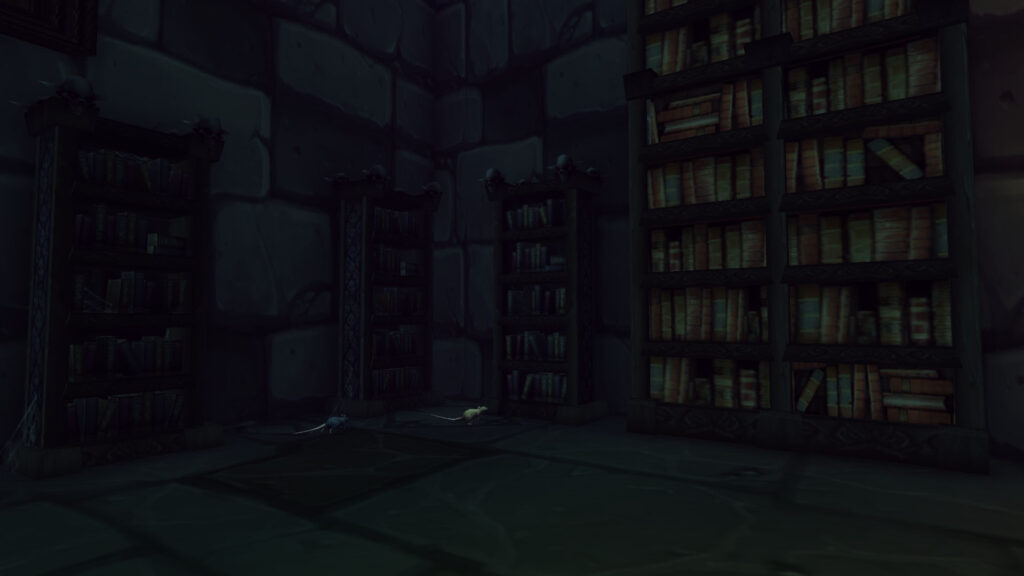
The dungeon’s design includes narrow corridors and open rooms that create opportunities for ambushes and strategic positioning. Players must be aware of their surroundings, as environmental traps can deal significant damage or incapacitate characters. Additionally, the layout encourages players to split up and explore, which can lead to isolated encounters with powerful enemies. Understanding the spatial dynamics of Scholomance allows players to optimize their movement and positioning during battles, enhancing their chances of survival.
What Metrics Should Players Track for Optimal Performance in Scholomance?
Tracking key performance metrics, such as damage output and healing efficiency, is essential for optimizing gameplay in Scholomance.
Players should monitor their damage per second (DPS) and healing per second (HPS) to assess their effectiveness in combat. Benchmarking these metrics against party averages can highlight areas for improvement. Additionally, tracking cooldown usage and resource management ensures that players are maximizing their potential during encounters. Utilizing tools such as damage meters can provide valuable insights into performance, allowing for strategic adjustments in future runs.
What Long-term Strategies Can Players Employ for Mastery of Scholomance?
Long-term mastery of Scholomance requires continuous learning, adaptation, and collaboration among players.
Players should engage in regular runs to familiarize themselves with enemy mechanics and dungeon layout. Analyzing past encounters and discussing strategies with teammates can lead to improved performance in future attempts. Additionally, experimenting with different character builds and gear setups allows players to discover optimal configurations for their playstyle. Building a strong team dynamic through effective communication and role specialization enhances overall success in Scholomance.
Frequently Asked Questions
What level should players be to enter Scholomance?
Players should ideally be at least level 58 to enter Scholomance, as the dungeon is designed for higher-level characters. This ensures that players have access to the necessary skills and abilities to tackle the challenges within.
Are there any important quests associated with Scholomance?
Yes, several quests are tied to Scholomance, including those that reward players with unique items and lore. Completing these quests often requires defeating specific bosses or collecting items from within the dungeon.
What rewards can players expect from Scholomance?
Players can expect a variety of rewards from Scholomance, including powerful gear, crafting materials, and unique items that enhance their abilities. The loot table includes both common and rare drops, making each run potentially rewarding.
How can players prepare for a run in Scholomance?
Preparation for a run in Scholomance includes gathering appropriate gear, consumables, and forming a balanced party. Players should also review enemy mechanics and strategies to ensure effective teamwork during encounters.
